
The United States President, Donald J. Trump has pledged to mediate between Egypt and Ethiopia in an effort to resolve the protracted dispute over Nile water sharing and the Grand Ethiopian Renaissance Dam (GERD).
In a letter dated January 16, 2026, Trump praised the role of the Egyptian President Abdel Fattah El-Sisi in brokering a ceasefire between Israel and Hamas.
Trump said his administration was prepared to re-engage directly in the GERD negotiations, describing the Nile water sharing as a strategic issue that must be resolved to safeguard the needs of both downstream and upstream nations, particularly Egypt and Sudan.
‘In the spirit of our personal friendship and America’s commitment to peace and the well-being of Egypt’s people, I am ready to restart U.S Mediation between Egypt and Ethiopia to responsibly resolve the question of “The Nile Water Sharing”’, said the US President.
The GERD dispute has existed for a century due to an alleged imbalance in Nile water arrangements. Egypt’s claims are historically anchored in colonial-era water allocation frameworks, such as the 1929 agreement and the 1959 Nile Waters Agreement between Egypt and Sudan.
These agreements granted Egypt the largest share of the Nile water and a strong influence over upstream water development. Ethiopia and other upstream countries have long rejected these agreements, claiming they were imposed without their consent and fail to reflect modern principles of equitable water use.
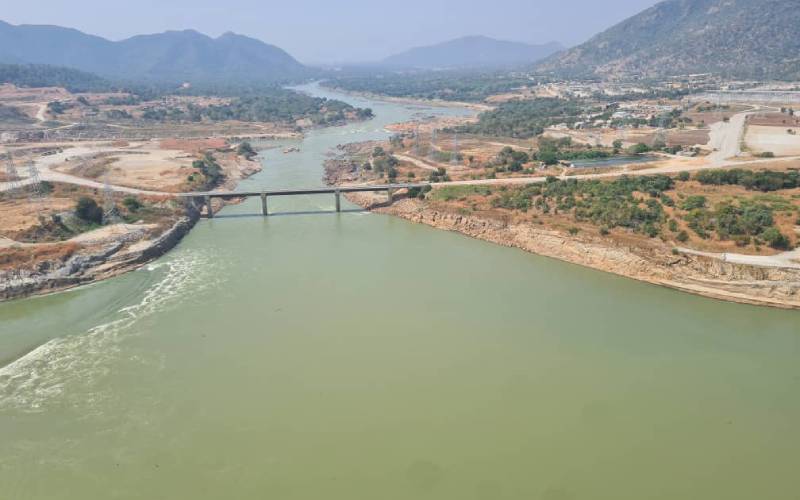
Ethiopia announced the Grand Ethiopian Renaissance Dam (GERD) project in 2011, starting construction on the Blue Nile near the Sudanese border.
The Ethiopian government claims the dam will alleviate poverty by expanding electricity generation and enabling industrialisation, while Egypt argues that any reduction in Nile flows threatens its national water security, agriculture, and domestic supply.
Sudan's take has been mixed, sometimes supporting the dam for its potential benefits, such as regulated flows and reduced flooding, while also raising safety concerns and seeking binding operational rules.