
By Matik Kueth
The South Sudanese Presidency has announced that there will be no further extensions of the transitional period, confirming the intent to conduct long-anticipated general elections in December 2026.
Since April 2010, when Southern Sudan conducted its elections as part of the Sudanese elections and its subsequent referendum in January 2011, the world's youngest nation has yet to conduct its self-organised polls.
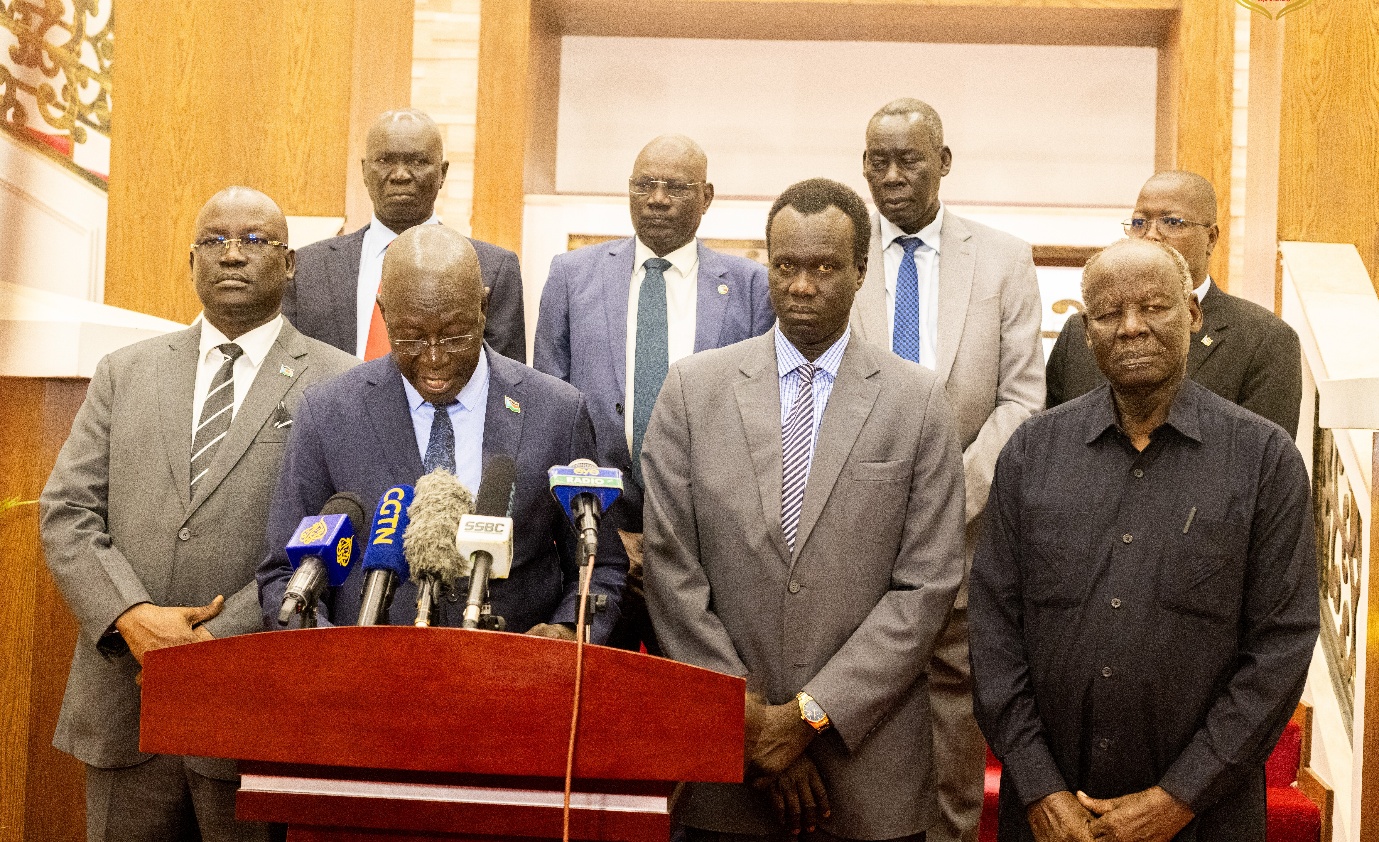
Africano Mande Gedima, Minister of Presidential Affairs, disclosed on Friday that South Sudanese deserve a democratically elected government of their choice comes December 2026.
"South Sudan cannot afford another extension. Citizens deserve a government of their choice, and we are determined to deliver that in December 2026,” Gedima stated explicitly.
Since 2018, the transitional period has undergone four extensions according the United Nations, justified by the need to complete the pending tasks in the Revitalised Agreement on the Resolution of the Conflict in South Sudan (R-ARCSS), which are prerequisites to elections. The government has also been promising not to extend the transitional period or postpone elections but later backtracked.
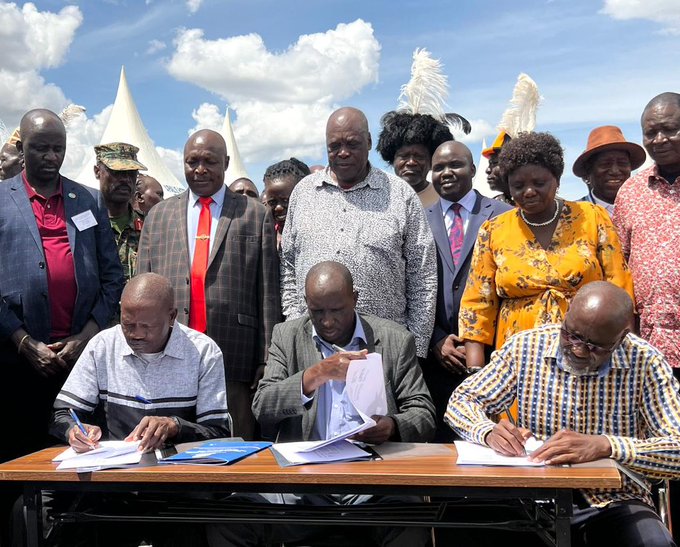
Gedima said the president, four vice presidents and representatives of all the parties signatory to the R-ARCSS reached an agreement to amend specific provisions of the R-ARCSS and the Transitional Constitution of South Sudan (2011, as amended) to create the legal framework essential for the elections.
A committee will be established to propose these amendments to the leadership of the various signatories, including the RTGoNU, SPLM-IO, SOA, SPLM-FDs, and OPP, ensuring that election-related concerns and party issues are addressed through discussions.
“Recognising the consensus among the parties on the absolute necessity of transitioning South Sudan to a democratically elected government, we are now taking concrete steps to pave the way for credible elections,” he stated.
The Presidency ordered that the transitional security arrangements mandated by Chapter 2 of the R-ARCSS be finalised immediately and instructed the Ministry of Finance and Planning to allocate the necessary resources for election operations and related activities.
Any remaining provisions of the peace agreement that cannot be addressed before the elections will officially be recognised as post-R-ARCSS programs, the communiqué indicated.
In September 2024, the Presidency decided to postpone elections set for December 2024 by two years, leading to the extension of the transitional period specified in the 2018 peace agreement.
This postponement attracted criticism from both domestic and international observers who were concerned about the "sluggish" pace at which South Sudan is moving towards democracy.
The recent decision signifies a firm commitment to adhere to the 2026 election schedule, despite pleas from regional and international peace guarantors for a return to dialogue to advance the unfulfilled tasks of the peace agreement.